How Postpartum Massage Supports Recovery, Sleep, and Stress Relief
Bringing a new life into the world transforms your body in extraordinary ways. While the joy of meeting your baby is immeasurable, the physical and emotional recovery that follows childbirth deserves just as much attention and care. Your body has accomplished something incredible, and now it needs time and support to heal.
Postpartum massage offers a gentle yet powerful way to support your recovery journey. This therapeutic practice goes beyond simple relaxation—it actively promotes healing, reduces discomfort, and provides emotional support during one of life’s most significant transitions. Whether you delivered vaginally or by cesarean section, postpartum massage can play a vital role in helping you feel stronger, more comfortable, and better equipped to care for your new baby.
Understanding how massage therapy can benefit your postpartum recovery empowers you to make informed decisions about your healing process. Let’s explore how this ancient practice can become a cornerstone of your postpartum wellness routine.
The Role of Postpartum Massage in Emotional and Physical Well-Being
The weeks following childbirth bring significant physical changes as your body gradually returns to its pre-pregnancy state. Postpartum massage provides targeted support for this natural healing process, addressing specific concerns that arise during recovery.
Accelerating Physical Healing
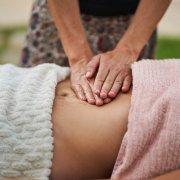
Your body undergoes remarkable changes during pregnancy and childbirth. The uterus expands dramatically and must contract back to its original size, a process called involution. Gentle abdominal massage can support this natural process by improving circulation to the area and helping the uterus contract more efficiently.
Massage therapy also promotes better blood flow throughout your body, which is essential for healing. Enhanced circulation delivers oxygen and nutrients to recovering tissues while helping remove metabolic waste products that can contribute to soreness and inflammation. This improved blood flow can be particularly beneficial for healing cesarean incisions or perineal tears.
Reducing Swelling and Water Retention
Many new mothers experience postpartum swelling, especially in the legs, feet, and hands. This occurs as your body gradually eliminates the extra fluid retained during pregnancy. Lymphatic drainage massage techniques can help reduce this swelling by encouraging the movement of excess fluid back into circulation.
The gentle, rhythmic strokes used in postpartum massage stimulate the lymphatic system, which plays a crucial role in maintaining fluid balance in your body. Regular massage sessions can significantly reduce uncomfortable swelling and help you feel more like yourself again.
Alleviating Muscle Tension and Pain
Caring for a newborn often involves prolonged periods of feeding, holding, and comforting your baby. These activities can create muscle tension in your neck, shoulders, and upper back. Additionally, the physical demands of pregnancy and childbirth can leave your entire body feeling sore and tight.
Postpartum massage targets these areas of tension, using techniques specifically designed to release tight muscles and restore normal movement patterns. The therapeutic touch helps break down adhesions in muscle tissue and improves flexibility, making daily activities more comfortable.
Postpartum Massage for Better Sleep and Stress Relief
Sleep deprivation and stress are inevitable companions during the early weeks of parenthood. Postpartum massage offers natural, effective relief for both challenges, helping you navigate this demanding time with greater resilience.
Promoting Deeper, More Restorative Sleep
Quality sleep becomes precious when you’re caring for a newborn who wakes frequently throughout the night. The few hours of sleep you do get need to be as restorative as possible. Massage therapy naturally promotes relaxation and can significantly improve sleep quality.
The therapeutic touch of massage triggers the release of endorphins, your body’s natural “feel-good” chemicals. These hormones help counteract stress hormones like cortisol, creating a state of calm that makes it easier to fall asleep when the opportunity arises. Regular massage sessions can help regulate your sleep-wake cycle, making the most of your limited sleep opportunities.
Managing Postpartum Stress and Anxiety
The transition to motherhood, while joyful, can also be overwhelming. Hormonal fluctuations, physical discomfort, and the demands of caring for a newborn can contribute to heightened stress levels. Massage therapy provides a dedicated time for self-care and relaxation that many new mothers desperately need.
During a massage session, your nervous system shifts from a state of high alert to one of rest and restoration. This physiological change helps lower blood pressure, reduce heart rate, and decrease the production of stress hormones. The result is a profound sense of calm and well-being that can extend well beyond the massage session itself.
Creating Sacred Time for Self-Care
Perhaps most importantly, scheduling regular postpartum massage creates dedicated time for self-care. As a new mother, it’s easy to become so focused on your baby’s needs that you neglect your own. Massage appointments become non-negotiable time for yourself, reminding you that your well-being matters too.
This regular self-care practice can have far-reaching effects on your mental health and overall outlook. When you feel better physically and emotionally, you’re better equipped to care for your family with patience, energy, and joy.
The Role of Postpartum Massage in Emotional Well-Being
The postpartum period involves significant emotional adjustments alongside physical recovery. Hormonal fluctuations, sleep deprivation, and the overwhelming responsibility of caring for a newborn can create emotional challenges that benefit from therapeutic support.
Supporting Hormonal Balance
After childbirth, your hormone levels undergo dramatic changes as your body adjusts to no longer being pregnant. These fluctuations can contribute to mood swings, anxiety, and the “baby blues” that many new mothers experience. Massage therapy can help support hormonal balance by reducing cortisol levels and promoting the release of oxytocin, often called the “bonding hormone.”
Oxytocin not only promotes feelings of love and connection but also has practical benefits for new mothers. It supports milk production for breastfeeding mothers and helps the uterus contract during recovery. The nurturing touch of massage naturally stimulates oxytocin production, creating a positive cycle of healing and emotional well-being.
Combating Feelings of Isolation
New motherhood can sometimes feel isolating, especially if you’re spending long hours at home with your baby. The caring touch and human connection provided during a massage session can help combat feelings of loneliness and disconnection. Your massage therapist becomes a source of support and encouragement during this vulnerable time.
Many mothers find that massage sessions provide an opportunity to talk about their experiences and feelings in a non-judgmental environment. This emotional outlet can be incredibly valuable for processing the many changes occurring in your life.
Building Body Confidence
Pregnancy and childbirth create lasting changes in your body, and adjusting to these changes can impact your self-image. Postpartum massage helps you reconnect with your body in a positive way, focusing on healing and strength rather than appearance.
The therapeutic touch helps you appreciate what your body has accomplished and continues to do. This shift in perspective can be profoundly healing and help build confidence in your post-pregnancy body.
Frequently Asked Questions
When can I start receiving postpartum massage?
For vaginal deliveries, massage can typically begin within the first week after birth. For cesarean deliveries, it’s best to wait until your incision has begun healing, usually around 2-3 weeks postpartum. Always consult with your healthcare provider before beginning any postpartum massage routine.
How often should I receive postpartum massage?
The frequency depends on your individual needs and circumstances. Many new mothers benefit from weekly sessions during the first month postpartum, then gradually reduce to bi-weekly or monthly sessions as they recover.
Are there any positions I should avoid during postpartum massage?
Your massage therapist will work with you to find comfortable positions. Side-lying positions are often preferred, especially if you’re breastfeeding or have had a cesarean section. Avoid lying flat on your stomach until your breasts are comfortable with this position.
Can I receive massage while breastfeeding?
Yes, massage is generally safe while breastfeeding and may even help support milk production. However, it’s best to nurse or pump before your session to avoid discomfort from full breasts.
Embracing Your Recovery Journey
Postpartum recovery is not a race—it’s a gradual journey that deserves patience, kindness, and proper support. Massage therapy offers a comprehensive approach to healing that addresses both your physical and emotional needs during this transformative time.
The benefits of postpartum massage extend far beyond the massage table. Regular sessions can help you develop healthy self-care habits, build confidence in your body’s healing abilities, and create a foundation for long-term wellness. As you nurture your new baby, remember that nurturing yourself is equally important.
Consider speaking with your healthcare provider about incorporating postpartum massage into your recovery plan. Your body has done something extraordinary—it deserves extraordinary care in return. Take the first step toward supporting your healing journey by exploring how postpartum massage can benefit your unique recovery needs.
Lokahi Wellness Space
Book Treatment
408.279.9001
Follow us on Instagram
Make an Appointment