Uncovering the Truth About Cold Therapy
To Ice or Not to Ice an Injury
‘To ice or not to ice, that is the question.’ When it comes to injury recovery, this debate sparks both strong support and healthy skepticism. So, does icing an injury really help, or is it a frosty misconception? This guide aims to clear up the confusion, shedding light on the impact of cold therapy without drowning you in medical jargon.
Ready to chill through the facts?
Key Takeaways
- Ice Therapy’s Role: Traditionally a key part of the RICE method (Rest, Ice, Compression, Elevation) for injury recovery, ice therapy is now under scrutiny. While it may reduce swelling and numb pain temporarily, recent studies suggest it could delay healing by hindering necessary inflammation.
- Alternative Treatments: Methods like hydrotherapy, massage, acupuncture, and heat therapy are gaining traction for promoting blood flow and aiding healing without the potential downsides of excessive icing.
- Integrated Approach: A personalized recovery plan that combines cold therapy with active techniques like cryokinetics, and complements them with heat and movement therapy, may offer better outcomes.
The Great Cold Debate: Ice’s Role in Recovery
Introduced by Dr. Gabe Mirkin in 1978, the RICE technique has long been a go-to for alleviating pain and minimizing swelling after injuries. However, there’s growing skepticism about the role of ice. Questions are being raised about whether its application is universally beneficial or if it might unintentionally slow down healing.
Exploring these perspectives can help you make a more informed decision about the best approach to recovery. Whether you’re a fan of icing or considering alternative methods, understanding the pros and cons of each can lead to better health outcomes.
The Case for Ice: Understanding the Science
Cold therapy, often known as icing, is based on its ability to dull pain, reduce swelling, and potentially speed up healing when applied immediately after injuries like ankle sprains.
When you sprain an ankle, your body initiates an inflammatory response, leading to swelling that can slow down recovery. Applying ice can help alleviate this swelling, aiding in the rehabilitation process. This principle also applies to simulated ankle joint effusion, where the body’s response remains the same.
However, there’s a heated debate among healthcare professionals about how effective cold therapy really is.
Research results are mixed—while some studies support cold therapy for providing temporary pain relief and faster recovery after sports injuries, others find no significant benefits. These conflicting findings highlight the need for continued scientific investigation into the true effectiveness of icing.
Traditional Views on Heat and Energy Flow
In Western medicine, using ice packs to manage injuries by minimizing inflammation is standard practice. But Traditional Chinese Medicine (TCM) offers a different approach. TCM emphasizes the movement of qi, or life force, and believes that heat plays a crucial role in promoting this vital energy necessary for healing.
There’s a clear philosophical difference between cold therapy and TCM’s preference for warmth. Instead of just reducing inflammation with ice, TCM focuses on enhancing blood flow and energy movement within the body. This holistic strategy aims not only to relieve discomfort at the injury site but also to address any underlying systemic imbalances that could be contributing to the injury.
In summary, while the benefits of icing are still debated, understanding both perspectives can help you make a more informed decision about your recovery approach. Whether you choose to ice or explore alternative methods, considering the pros and cons of each can lead to better health outcomes.
The Ice Age of Injury Treatment: A Historical Perspective
Cold therapy has a long history in treating injuries, dating back to 3500 BC with the first recorded use of cold-water immersion for its therapeutic benefits. The famous Greek physician Hippocrates was one of the early pioneers who recognized the healing effects of ice therapy.
By the late 18th century, James Currie’s studies on how cold water affects the body laid the groundwork for our modern understanding of this treatment. Additionally, Baron Dominique Larrey, Napoleon’s surgeon, promoted using ice during surgeries for its pain-relieving qualities.
Throughout the 20th century, ice therapy significantly influenced injury management, especially in sports medicine. Gabe Mirkin brought it into the spotlight in 1978 when he introduced the RICE (Rest, Ice, Compression, Elevation) method for acute injury care. As technology advanced, innovations like cryopneumatic devices and phase change materials have made applying ice therapy more convenient and efficient.
To Chill or Not to Chill: Evaluating Ice Therapy’s Effectiveness
Is cold therapy truly the go-to solution for injury recovery? Recent studies are beginning to challenge this long-held belief. While ice can be beneficial, particularly for athletes dealing with severe or persistent swelling from soft tissue injuries, its overall effectiveness is being reassessed.
Although ice may provide temporary pain relief through numbing, there’s not enough compelling evidence to fully support its use for treating acute soft tissue injuries. The practice of applying cold therapy immediately after an injury is now met with some skepticism, leading to emerging treatment strategies that don’t rely on ice right away.
In conclusion, while the historical use of ice therapy has been substantial, ongoing research suggests we may need to rethink its role in modern injury treatment. Understanding these evolving perspectives can help you make better decisions about your recovery approach.
Does Ice Speed Up Recovery?
The debate about the effectiveness of ice in speeding up injury recovery is ongoing. Contrary to popular belief, recent research suggests that cold therapy might actually slow down the healing process for acute soft tissue injuries by reducing inflammation that is essential.
Using ice can interrupt the inflammatory response, offering temporary pain relief but potentially disrupting critical cellular functions needed for muscle repair and growth. While traditionally used to manage inflammation and discomfort, it appears that some level of inflammation is necessary for proper healing after an injury.
Potential Risks: When Cold Can Be Too Cool
Applying ice can provide temporary relief and is often sought for muscle soreness, but overuse may hinder recovery rather than help it. Overdoing cold therapy can suppress the natural immune response crucial for healing, ultimately slowing down long-term recuperation.
Cold therapy might interfere with inflammation, which is necessary for initiating repair within damaged tissues. It can prevent vital immune cells from doing their job in muscle recovery. Therefore, certain people—such as pregnant women, children, and individuals with severe high blood pressure or heart conditions—should be cautious with extensive cryotherapy.
The key takeaway is moderation when using ice for inflammation and discomfort; it’s not a remedy to be used indiscriminately, as it could impede proper healing.
Alternatives to Icing: Other Methods in Pain Management
Given ice therapy’s possible drawbacks, exploring alternative pain management strategies is advisable. The PEACE and LOVE approach signifies a shift from relying on ice to favoring techniques that promote blood flow and movement during recovery.
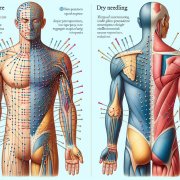
Therapies such as hydrotherapy and massage can alleviate pain without drugs. They provide relaxation while stimulating circulation, which aids the healing process. Treatments like acupuncture and dry/trigger point needling from Traditional Chinese Medicine are also successful in mitigating pain and improving flexibility.
Bridging the Gap: Integrative Approaches to Injury Recovery
The discussion about the merits of cold vs. heat therapy is evolving towards a shared understanding that combining therapies may be beneficial. Integrating cold therapy with other treatments has the potential to improve recovery and reduce any negative consequences.
Adopting this balanced approach might combine the advantages of each type of therapy, potentially leading to an optimal recovery process.
Combining Cold and Movement
A balanced strategy for healing soft tissue injuries involves merging cold therapy with active recovery practices. Modern healthcare providers often recommend movement and exercise over complete rest, recognizing them as effective components in contemporary rehabilitation for simple soft tissue injuries.
Cryokinetics, which combines dynamic exercises with cold therapy, has proven successful in enhancing recovery from severe joint sprains. This blend of active recovery and cold treatment can speed up the healing process while protecting against further injury during rehabilitation.
Warmth and Circulation: Complementary Practices
Cold therapy works by reducing blood flow to minimize pain and swelling after an injury. Conversely, heat therapies like heated garments, mild heat wraps, or hot wax immersion can alleviate discomfort and stiffness.
Massage therapy boosts circulation by causing vasodilation (expansion of blood vessels) and promoting muscle contractions. It also triggers the release of endothelial nitric oxide, which elevates skin temperature and enhances blood flow—beneficial for recovery and addressing restricted circulation issues.
Personalizing Your Recovery: Tailoring Treatment to the Individual
Successful injury rehabilitation varies from person to person. While standard recovery techniques are a good starting point, tailoring treatment plans to individual needs is crucial for effective healing.
Personalized care in physical therapy allows real-time adjustments to rehab regimens based on the patient’s response. This customized approach strengthens the therapist-patient relationship, increasing patient commitment and leading to better treatment outcomes.
The debate about ice therapy’s role in healing injuries continues.
While ice has its place, concerns about its potential to hinder recovery have led to the exploration of other effective treatments. Combining cold therapy with methods like movement and heat therapy offers a promising alternative strategy. As research advances, our understanding of optimal injury recovery protocols will continue to evolve.
Contact us today to schedule a consultation or learn more about our services.
Lokahi Acupuncture
408.279.9001
Follow us on Instagram
Make an Appointment