Acupuncture for Anxiety in Teens and Kids: What Parents Should Know
Anxiety in teens and kids is rising, and the back-to-school stretch — new grades, social pressure, packed schedules, disrupted sleep — tends to bring it to the surface. If you’re a parent weighing options beyond (or alongside) what your pediatrician offers, you may have wondered about acupuncture. Here are the questions parents actually ask us, answered honestly.
“Wait – Needles? For My Child?”
The most common reaction, and a fair one. Two things to know. First, acupuncture needles are nothing like the needles kids associate with shots — they’re hair-thin, and most children report little or no discomfort; satisfaction surveys in pediatric acupuncture run high. Second, and importantly: a lot of pediatric work uses no inserted needles at all.
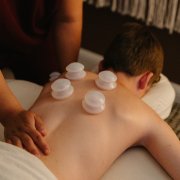
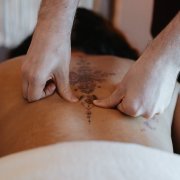
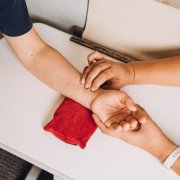
Techniques like shonishin — a gentle Japanese pediatric method that uses light tapping, stroking, and brushing of the skin with small tools — and acupressure (targeted pressure on points, essentially a focused massage) deliver the benefits without insertion. For an anxious or needle-shy child, these are often where we start.
“Is It Safe?”
When performed by a licensed, trained practitioner, pediatric acupuncture has a strong safety record. Reviews of the evidence classify serious adverse events as very rare — on the order of well under one in ten thousand — and the gentle, needle-free techniques carry even less risk. The key word is trained: you want someone experienced with children specifically, using age-appropriate methods. That’s a reasonable thing to ask any provider about directly.
“Does It Actually Help With Anxiety”
Here’s the honest state of the evidence. Pediatric acupuncture research is younger and smaller than the adult literature, so we won’t overstate it. That said, early studies are encouraging: a randomized pilot in children and adolescents found acupuncture helped reduce general anxiety, and research on acupressure shows reduced anxiety in young people as well. Children also report feeling notably relaxed during and after sessions.
What we’d tell you as parents, plainly: the evidence base is promising but not definitive, and acupuncture is best thought of as one supportive part of a child’s overall care — not a standalone treatment and not a replacement for therapy or pediatric mental health care when those are needed. Within that frame, it’s a low-risk tool that many kids and teens find genuinely calming.
“How Could It Work”
The same mechanism that makes acupuncture useful for adult stress applies here: it helps shift the nervous system out of “fight or flight” and toward “rest and digest.” For a child whose system is stuck in overdrive — racing thoughts, trouble sleeping, a stomach that hurts before school, a short fuse — that downshift is exactly the target. We explain the adult version of this in our piece on acupuncture for anxiety and the nervous system; the principle is the same, the technique gentler.
“What Does a Visit Look Like?”
- It’s collaborative and unhurried. We meet your child where they are — no one is held down or pushed past their comfort.
- You’re welcome in the room. For younger kids especially, a parent’s presence is part of what makes it work.
- Techniques are matched to the child. Needle-shy? We may use only shonishin and acupressure, and teach you a couple of acupressure points to use at home before a test or at bedtime.
- Sessions are shorter than adult treatments, and for many kids, a few well-spaced visits are enough to see whether it helps.
“What About Teenagers Specifically?”
Teens often do beautifully with regular acupuncture — they’re old enough for standard (still very gentle) needling, and many appreciate having a calm, screen-free, low-pressure space that’s theirs. For the academic stress, social anxiety, sleep disruption, and hormonal turbulence of the teen years, the nervous-system reset can be a real anchor. It also models something valuable: that managing stress is a skill and a practice, not a pill.
“When Should We Start With Our Pediatrician Instead?”
Always loop in your pediatrician, and lead with them when anxiety is severe — panic attacks, school refusal, anxiety that’s interfering with daily life, or any sign of depression or self-harm. Those situations call for professional mental-health evaluation first; acupuncture can be supportive alongside that care, but it isn’t the front line. We’re glad to work as part of a team that includes your pediatrician and, when appropriate, a therapist.
The Bottom Line
For the everyday anxiety that back-to-school season stirs up, acupuncture — and especially its gentle, needle-free forms for younger kids — is a safe, low-risk, often genuinely calming tool. The evidence is early but encouraging, the techniques are kinder than parents expect, and it fits naturally alongside the rest of your child’s care.
If your kid is carrying more worry than a kid should have to, we’d be honored to help. Book a consultation at Lokahi →
Our main acupuncture clinic and Lokahi Wellness Space are both located in San Jose.
Lokahi Acupuncture
Free Consultation
408.279.9001
Follow us on Instagram
Make an Appointment
This article is for informational purposes only and is not medical advice. Children’s mental health concerns should be discussed with your pediatrician. If your child is experiencing severe anxiety, depression, or any thoughts of self-harm, seek professional care promptly; acupuncture is a complementary support, not a substitute for mental-health treatment.