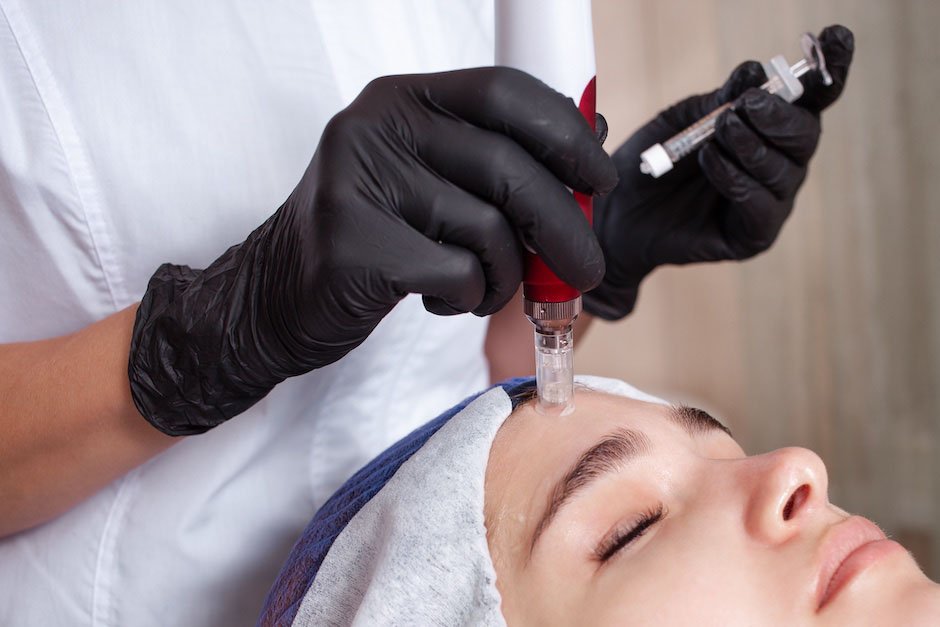
Microneedling Benefits for Menopausal Skin: How it Boosts Collagen and Skin Firmness
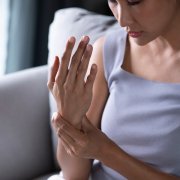
If your skin changed faster than you expected somewhere in your late 40s or 50s — looser along the jaw, thinner on the hands, fine lines that arrived seemingly overnight — you’re not imagining it, and you’re not doing anything wrong. Menopause does something specific and measurable to skin. The good news: one of the most effective tools for rebuilding what’s lost works by waking up your skin’s own repair machinery. Here’s what microneedling does, why it suits menopausal skin in particular, and exactly what to expect.
Why Menopause Changes Your Skin So Fast
The hinge is estrogen, and estrogen is deeply involved in skin health: it drives collagen production, supports elastin and hyaluronic acid, and keeps the skin barrier resilient. When estrogen falls during the menopause transition, all of that slows down at once.
The numbers are striking. Research finds women lose roughly 30% of their skin collagen in the first five years after menopause, with a more gradual decline after that. Collagen is the scaffolding that keeps skin firm and plump — so as it drops, skin gets thinner, less elastic, drier, and more prone to fine lines and sagging. This is why menopausal skin change feels less like slow aging and more like a sudden shift: physiologically, it is.
That also tells you what an effective treatment has to do: not just sit on the surface, but actually stimulate new collagen.
What Microneedling Actually Is
Microneedling — also called collagen induction therapy — uses a device with very fine, short needles to create thousands of microscopic channels in the skin. These aren’t injuries you’ll see; they’re controlled micro-stimulations that trigger the skin’s natural wound-healing response.
That response is the whole point. The body answers those micro-channels by ramping up collagen and elastin production, increasing blood supply to the area, and remodeling the skin from within. Studies of collagen induction therapy have documented dramatic increases in collagen and elastin deposition after a series of sessions — on the order of a severalfold rise sustained for months. In other words, microneedling doesn’t add firmness from a bottle; it prompts your skin to rebuild its own.
For menopausal skin specifically, that mechanism is almost perfectly matched to the problem: the issue is declining collagen synthesis, and microneedling’s entire job is to switch collagen synthesis back on.
The Microneedling Benefits that Matter for Menopausal Skin
- Improved skin firmness and texture as new collagen rebuilds the scaffolding.
- Softened fine lines, especially the crepey texture around the eyes, mouth, and cheeks.
- More even tone, including improvement in sun damage and some discoloration.
- Better product absorption — the micro-channels temporarily help serums penetrate, so the right post-treatment products work harder.
- A natural approach — it uses your own biology rather than fillers or synthetic volume, which appeals to a lot of our menopausal patients.
What to Expect Step-By-Step
Before
A consultation to confirm you’re a good candidate and to pause anything that should be paused (certain actives like retinoids, recent sun exposure). Arrive with clean skin and no makeup.
During
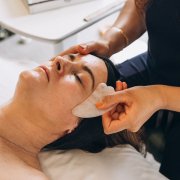
Numbing cream goes on first, so most people find it very tolerable — a light prickling or vibration, not sharp pain. The treatment itself takes roughly 20–30 minutes for the face. You may feel warmth afterward, like a mild sunburn glow.
The first 24–72 hours
Expect redness similar to a sunburn, possibly mild swelling, and some tightness. This is the healing response doing its job. Most people are presentable within a day or two; many time treatments for a weekend.
The first weeks
Skin looks refreshed fairly quickly, but the real work — collagen remodeling — happens underneath over the following weeks. Improvements in firmness build gradually; this is a slow-reveal treatment, not an instant one.
The series
Because collagen rebuilds over time, results come from a series, typically spaced about a month apart, then maintained periodically. Menopausal skin, working against a lower-estrogen baseline, especially benefits from a planned series rather than one-off sessions.
Where Microneedling Fits a Lokahi
We offer microneedling cosmetic treatments at the Lokahi Wellness Space with Dr. Smriti Shamapant, who also performs cosmetic and facial acupuncture. That pairing is intentional: facial acupuncture supports circulation and treats the whole-body patterns behind skin changes, while microneedling drives focused collagen remodeling. Many patients alternate or combine them across a treatment plan.
And because menopausal skin is downstream of menopausal physiology, the inside-out work matters too — the sleep, stress, and hormonal support covered in our broader menopause care. Firmer skin and steadier hormones aren’t separate projects.
Is it Right for You?
Microneedling suits most healthy skin, but it isn’t for everyone — active acne or rosacea flares, certain skin conditions, some medications, and pregnancy are reasons to wait or choose another route. A consultation sorts this out quickly and honestly; if microneedling isn’t your best option, we’ll tell you.
The Bottom Line
Menopause takes collagen; microneedling helps your skin make more of its own. For skin firmness lost to estrogen decline, collagen induction therapy is one of the most mechanism-matched tools available — gradual, natural, and built on your body’s own repair response. Paired with facial acupuncture and good inside-out care, it’s a genuinely effective way to meet midlife skin where it is.
Curious whether microneedling is right for your skin? Let’s take a look together. Book a consultation at Lokahi
Lokahi Wellness Space
408.279.9001
Instagram
This article is for informational purposes only and is not medical advice. Microneedling should be performed by a trained professional after a skin assessment. Results vary, and certain skin conditions or medications may make microneedling inappropriate.