What to Eat During Menopause for Optimal Health
Menopause Nutrition Guide: What to Eat During Menopause for Optimal Health
Menopause is a natural phase in a woman’s life that brings significant changes to her body and health. From hot flashes and mood swings to weight gain and insomnia, the symptoms can be quite challenging. Nutritional therapy offers a proactive way to manage these symptoms and improve overall well-being during this transition. This blog post dives into how both Eastern and Western practices can support women through menopause, providing a holistic approach to health and wellness. Additionally, it explores what to eat during menopause to help alleviate symptoms and promote a healthier lifestyle.
Understanding Menopause and Its Impact
Menopause marks the end of a woman’s menstrual cycles, typically occurring in her late 40s or early 50s. This biological transition is caused by a decrease in hormones like estrogen and progesterone. For many, it triggers a range of symptoms that can affect daily life and emotional health.
The symptoms vary from person to person but commonly include hot flashes, night sweats, mood changes, and sleep disturbances. Additionally, menopause can impact bone density and increase the risk of cardiovascular disease. This is where nutritional therapy plays a crucial role, offering a natural way to help manage these changes.
Nutritional therapy focuses on using food and nutrition to support health and treat symptoms. During menopause, it becomes especially important as it can help balance hormones, manage weight, and improve overall energy levels. By understanding the benefits of both Eastern and Western nutritional approaches, women can better manage their symptoms and enhance their quality of life.
Eastern Nutritional Practices for Menopause
Eastern practices, particularly Traditional Chinese Medicine (TCM), view menopause as a time of transformation. TCM emphasizes the concept of balancing qi, the body’s vital energy, to promote harmony and wellness.
Traditional Chinese Medicine (TCM) Principles
TCM sees menopause as a natural progression that requires restoring balance within the body. It identifies patterns of disharmony, such as kidney yin deficiency or liver qi stagnation, which contribute to menopausal symptoms. The goal is to nourish the body through diet, herbs, and lifestyle adjustments to maintain balance.
Eating yin-nourishing foods is a key recommendation. These include foods like tofu, sesame seeds, and dark leafy greens, which help replenish the body’s energy and support hormone regulation. TCM also emphasizes the importance of avoiding cold and raw foods, as they may disrupt digestion.
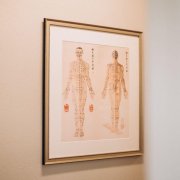
Herbs like black cohosh and dong quai are often used in TCM to alleviate symptoms like hot flashes and mood swings. Acupuncture is another practice employed to balance energy flow, reduce stress, and enhance overall well-being.
Balancing Qi and Hormones
In TCM, each food has properties that affect the body’s energy and organs. For example, ginger is considered warming and can improve circulation and digestion. Soy products, rich in phytoestrogens, mimic estrogen in the body, helping to ease symptoms like hot flashes.
These dietary adjustments are believed to support the body’s yin aspect, regulating hormonal imbalances. TCM encourages mindful eating, focusing on the energetics of food and its impact on the body, rather than just caloric intake.
The philosophy of TCM provides a holistic view of menopause, emphasizing the connection between diet, lifestyle, and health. By integrating TCM dietary principles, women can potentially experience reduced symptoms and improved overall health during menopause.
Western Nutritional Practices for Menopause
Western dietary practices also offer valuable strategies for managing menopause. The focus here is what to eat during menopause to help with your heart health, bone density, and overall well-being.
Benefits of the Mediterranean Diet
The Mediterranean Diet is renowned for its health benefits and is especially beneficial during menopause. It emphasizes whole grains, fruits, vegetables, legumes, nuts, and healthy fats like olive oil. This diet is rich in antioxidants and anti-inflammatory compounds, which can help reduce the risk of chronic diseases.
For menopausal women, the Mediterranean Diet offers cardiovascular benefits and supports bone health. The inclusion of omega-3 fatty acids from fish and nuts helps reduce inflammation, while calcium-rich foods like leafy greens and dairy support bone density.
The diet’s focus on nutrient-dense foods helps manage weight gain, a common concern during menopause. The fiber content promotes satiety, helping control hunger and maintain a healthy weight.
Importance of Phytoestrogens and Healthy Fats
Incorporating phytoestrogens, plant-based compounds similar to estrogen, can ease menopausal symptoms. Foods like flaxseeds, chickpeas, and lentils are excellent sources. These foods help balance hormones and may reduce the frequency and severity of hot flashes.
Healthy fats are another crucial component. Avocados, nuts, seeds, and fatty fish provide essential fatty acids that support brain health and reduce inflammation. These fats are integral to hormone production and can improve mood and cognitive function during menopause.
Calcium is vital for maintaining bone strength, particularly as estrogen levels decline. Ensuring adequate intake through dairy, fortified plant-based milks, and leafy greens can help protect against osteoporosis.
Managing Inflammation and Weight
Inflammation can exacerbate menopausal symptoms. Incorporating anti-inflammatory foods like berries, turmeric, and dark chocolate can help manage this. These foods contain antioxidants that combat oxidative stress and protect the body’s cells.
Weight management becomes crucial during menopause, as hormonal changes can lead to increased abdominal fat. A diet rich in fiber, protein, and healthy fats can help control appetite and support metabolic health.
Exercise complements dietary changes by boosting metabolism, improving mood, and maintaining muscle mass. Combining these practices with a balanced diet can significantly enhance overall well-being for menopausal women.
Integrating Eastern and Western Practices
While Eastern and Western approaches differ, they both offer valuable insights for managing menopause. Combining elements from each can create a comprehensive strategy that addresses various aspects of health.
Synergy of Eastern and Western Approaches
Both Eastern and Western practices emphasize the importance of a balanced diet rich in nutrients. Together, they offer a holistic view that considers both physical and energetic aspects of health.
Eastern practices focus on the energetics of food and its impact on qi, while Western practices highlight the nutritional value and its impact on body systems. Integrating the two allows women to benefit from a broader range of strategies.
Practical tips include incorporating yin-nourishing foods like tofu and greens into a Mediterranean-style meal. Adding herbs used in TCM, like turmeric or ginger, can enhance flavor and provide additional health benefits.
Conclusion
Nutritional therapy offers a powerful tool for managing menopause symptoms and enhancing overall well-being. By exploring both Eastern and Western practices, women can create a personalized strategy that addresses their unique needs.
Understanding what to eat during menopause is crucial in this journey. Consulting with healthcare professionals and nutritionists can provide further guidance and support. They can help tailor a plan that aligns with individual health goals and lifestyle preferences. We encourage readers to share their experiences or ask questions in the comments section below.
Together, we can foster a supportive community of women navigating menopause with confidence and grace. Remember, a balanced and nourishing diet is key to thriving during menopause. Explore the possibilities of combining Eastern and Western practices, and discover the path to greater health and vitality.
Contact us today to schedule a consultation or learn more about our services.
Lokahi Acupuncture
408.279.9001
Follow us on Instagram
Make an Appointment