How a Mediterranean Diet Benefits Fertility and Hormone Health
If you’re trying to conceive or caring for your hormonal health, what you eat matters — more than a “quick fix” supplement or detox. At Lokahi we teach people to treat the Mediterranean diet as the fertility foundation: a practical, evidence-supported way to improve egg and sperm quality, balance hormones, reduce inflammation, and create a healthier uterine environment. (This is a core part of our preconception and cycle-prep work.)
Below is a friendly, clinic-style guide to why the Mediterranean diet helps, how it supports hormones and fertility in both people trying to conceive naturally and those working with ART, and practical steps to put it into everyday life.
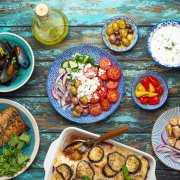
What a Mediterranean Diet?
Think simple, whole foods:
- Plenty of vegetables and fruit
- Whole grains (farro, barley, oats, brown rice) and legumes (beans, lentils, chickpeas)
- Healthy fats from extra-virgin olive oil, olives, nuts and seeds
- Regular oily fish (salmon, sardines, mackerel) for omega-3s
- Moderate amounts of dairy (Greek yogurt, cheese) and eggs
- Small portions of poultry; limited red and processed meats
- Herbs, spices, and minimal ultra-processed foods and refined sugar
- Optional small amounts of wine with food (if alcohol is appropriate)
The mediterranean diet is less a strict menu and more a reliable template that prioritizes anti-inflammatory foods, fiber, and nutrient density.
How Does a Mediterranean Diet Support Fertility & Hormone Health?
1. Better blood sugar control and improved insulin sensitivity
High-quality carbohydrates (whole grains, legumes, vegetables) plus healthy fats and fiber blunt blood sugar spikes and improve insulin signaling. For people with insulin resistance or PCOS — where high insulin worsens androgen excess and anovulation — improved insulin sensitivity helps restore more regular ovulation and better hormone balance.
2. Lower inflammation and oxidative stress
Fertility is vulnerable to inflammation and oxidative damage. The Mediterranean diet is rich in antioxidants (fruits, vegetables, herbs, nuts) and anti-inflammatory fats (monounsaturated fats from olive oil and omega-3s from fish), which reduce systemic inflammation and protect eggs, sperm and the endometrium.
3. Healthier sex-hormone metabolism
Fiber, cruciferous vegetables, and a balanced fat profile help the liver metabolize and clear estrogens and androgens more efficiently. This supports a more stable estrogen/progesterone balance across the cycle and can reduce estrogen dominance or abnormal bleeding patterns.
4. Improved egg and sperm quality
Nutrient density (B vitamins, vitamin D, antioxidants, zinc, selenium, omega-3s) supports gamete health. Clinical and observational studies have linked Mediterranean-pattern diets with improved semen parameters in men and higher pregnancy rates in women when compared with Western dietary patterns.
5. Support for healthy weight and body composition
Because it centers on minimally processed foods and satiating fats and fiber, the Mediterranean pattern helps many people achieve steady, sustainable weight loss when needed — important because weight (both underweight and overweight) influences fertility and hormone balance.
6. A favorable uterine environment
Lower inflammation, better circulation, and more balanced hormones translate into improved endometrial receptivity — the environment the embryo needs to implant and thrive. For patients undergoing IVF, clinics that pair nutrition, lifestyle and targeted adjunctive care often see more consistent, reproducible outcomes.
A Fertility-Focused Plan
Here are pragmatic changes that make the Mediterranean diet easy and effective for fertility:
Prioritize
- Vegetables at every meal (aim for color and variety).
- Daily oily fish twice a week (if possible) or fish + plant sources of omega-3s + a clinician-approved supplement.
- Extra-virgin olive oil as the main fat for cooking and dressings.
- Whole grains & legumes instead of refined breads, pastries and pasta.
- Nuts & seeds daily as snacks or salad toppers.
- Plain Greek yogurt or small portions of cheese for calcium and protein.
Limit or avoid
- Ultra-processed foods, sugary beverages, and refined carbs.
- Processed meats and large portions of red meat (occasional is fine).
- Excess alcohol (if trying to conceive, moderation or avoidance is recommended).
- Trans fats and industrial seed oils used in fried fast foods.
Small-but-powerful tweaks
- Add a handful of walnuts or a spoonful of ground flaxseed to breakfast for ALA omega-3 and lignans.
- Use colorful salads, grated raw vegetables, or a simple vegetable soup to increase veg intake.
- Swap white rice for farro or barley, or choose mixed-grain pilafs.
- Season with lemon, garlic, fresh herbs and a drizzle of olive oil — flavor without excess salt.
Tips for Hormone-Specific Concerns
PCOS / insulin resistance
- Focus on low–glycemic index carbs (legumes, whole grains), prioritize protein at meals, and include healthy fats to blunt glucose responses.
- Weight loss of even 5–10% can restore ovulation for many people — the Mediterranean diet is sustainable for gradual, durable loss.
Luteal-phase / progesterone support
- Ensure adequate dietary fat (olive oil, nuts) and zinc (eggs, nuts, seeds) to support steroid hormone synthesis.
Avoid excessive caloric restriction in the months before conception.
Endometriosis / inflammatory conditions
- Emphasize extra antioxidants from berries, leafy greens, tomatoes and use omega-3 rich fish to counteract inflammatory pathways.
Male fertility
- Recommend a similar Mediterranean approach for partners: antioxidants (vitamin C, E, selenium), omega-3s, zinc, and reduced trans fats and processed foods are associated with better sperm concentration and motility.
Sample Day on Mediterranean Diet
- Breakfast: Greek yogurt with berries, walnuts, and a teaspoon of ground flaxseed.
- Lunch: Big salad with mixed greens, chickpeas, roasted vegetables, olives, quinoa, grilled salmon or sardines, lemon-olive oil dressing.
- Snack: Hummus with raw veggies or a small handful of almonds.
- Dinner: Grilled chicken or baked fish, sautéed greens with garlic and olive oil, farro or barley, and a citrus-herb salsa.
- Dessert: Fresh fruit or a small square of dark chocolate.
Supplements & Practical Notes
- Folate/folic acid remains essential prior to conception and in early pregnancy.
- Vitamin D: many people are insufficient; check levels and supplement if needed under clinical guidance.
- Omega-3 (EPA/DHA): helpful when fish intake is low — discuss dosing with your clinician.
- Avoid mega-dosing unregulated “fertility blends.” Use evidence-based nutrients with your care team.
How to Make a Mediterranean Diet Stick
- Start with swaps, not rules. Replace refined carbs with whole grains; swap butter for olive oil; add one extra veg serving per meal.
- Plan and batch-cook. A jar of mixed-grain salad, roasted vegetables and a protein like grilled salmon makes busy days easy.
- Pair diet with sleep, movement and stress tools. Hormones respond to more than food; the Mediterranean pattern pairs well with daily movement, 7–9 hours of sleep and stress-reduction practices (mindfulness, gentle yoga).
- Work with your clinic. At Lokahi we combine diet with targeted herbs, acupuncture and lifestyle coaching so dietary changes are part of an integrated strategy that’s tracked and optimized for each patient.
The Mediterranean diet is not a magic bullet — but as a sustainable, nutrient-dense foundation it powerfully supports hormonal balance, egg and sperm health, endometrial receptivity, and overall metabolic resilience. Because it reduces inflammation, improves insulin sensitivity and delivers a broad range of fertility-supporting nutrients, we recommend it to every patient preparing for conception or fertility treatment.
At Lokahi we use it as the base of care and combine it with individualized herbs, acupuncture and lifestyle medicine to amplify benefits and help patients arrive at transfer or conception in the best possible physiological state.
Lokahi Acupuncture
Free Consultation
408.279.9001
Follow us on Instagram
Make an Appointment