Holistic Treatments for Endometriosis: Natural Relief Strategies
If you’re grappling with endometriosis, holistic treatments may provide the symptom relief you’re seeking. This article outlines how approaches like mind-body practices, dietary adjustments, and natural pain relievers can work together to form a comprehensive treatment strategy. Discover the holistic path to potentially easing the burden of endometriosis.
Holistic Approach to Endometriosis Management
Endometriosis, characterized by the growth of endometrial tissues outside the uterus, is a complex condition often presenting with chronic pelvic pain and heavy menstrual periods. Traditional treatments, from hormone therapy to laparoscopic surgery, have been the mainstay approach to managing endometriosis symptoms. However, they often focus on physical symptoms in isolation, such as menstrual period pain and scar tissue, and may not fully address the multifaceted nature of the disease.
On the other hand, endometriosis management from a holistic perspective transcends the treatment of physical symptoms alone. It encompasses emotional and mental health components, recognizing that endometriosis can significantly impact a person’s psychological well-being. This approach acknowledges the interconnectedness of physical and mental health, encouraging strategies that foster overall wellness and quality of life.
Mind-Body Connection
The connection between the mind and body is pivotal in the management of endometriosis. Studies have reported that women with endometriosis often experience higher levels of psychological distress, such as anxiety and depression. This distress can exacerbate physical symptoms, creating a vicious cycle of physical and emotional pain.
This cycle can be disrupted by mind-body therapies like meditation and yoga. These therapies aim to enhance emotional regulation, reduce negative self-talk, and mitigate the stress associated with endometriosis. By focusing on the mind’s impact on physical health, these techniques have shown promise in providing pain relief and improving the quality of life for individuals with endometriosis.
Lifestyle Modifications
Another integral part of a holistic approach to managing endometriosis involves lifestyle modifications.
Simple changes, like:
- reducing exposure to environmental toxins
- maintaining a regular exercise routine
- ensuring adequate hydration
- adhering to a healthy sleep routine
Can significantly help manage severe pain symptoms.
Regular exercise, for instance, releases endorphins, our body’s natural painkillers and mood enhancers. This not only helps to alleviate painful menstrual cramps but also aids in maintaining a healthy weight, leading to reduced estrogen levels and less severe endometriosis symptoms. Similarly, ensuring quality sleep can help manage the fatigue and discomfort often associated with endometriosis.
Natural Pain Relief Options
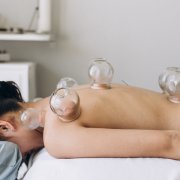
While traditional pain medications can provide relief from endometriosis pain, they can also bring potential side effects. In contrast, natural pain relief options, such as acupuncture, heat therapy, and massage, offer a gentler approach. These therapies can be integrated into a holistic management plan, providing relief from pain with fewer unwanted side effects.
These therapies, further detailed below, can be considered as holistic options to treat endometriosis and manage endometriosis pain.
Acupuncture
This traditional Chinese medicine technique can offer significant pain relief for those suffering from endometriosis. By strategically placing fine needles into certain meridian points on the body, acupuncture aims to restore balance and flow of energy, potentially reducing the chronic pelvic pain associated with endometriosis.
Studies suggest that acupuncture may also contribute to shrinking adnexal masses and may support fertility by promoting better blood flow to the reproductive organs. Patients often report not only direct pain alleviation but also an overall sense of well-being and relaxation following treatment, which can be particularly beneficial for the stress and anxiety that often accompany chronic pain conditions like endometriosis.
Clinical studies have also demonstrated that acupuncture can lower pain and serum CA-125 levels in women with endometriosis, indicating its potential as an effective treatment for managing endometriosis-related pain.
The pain-relieving effects of acupuncture may stem from its ability to:
- Activate endogenous descending pain inhibitory systems
- Deactivate brain areas that process pain signals
- Modulate nociceptive impulses within somato-visceral reflexes
This makes it a promising complementary treatment for endometriosis pain management.
Heat Therapy
Specifically, heat therapy using heating pads can provide significant comfort and relief from pelvic pain related to endometriosis. The warmth from the heating pad can relax the pelvic muscles, reducing cramps and easing discomfort.
For those on the move, a warm water bottle can serve as an effective alternative to heating pads. It can provide similar benefits, enabling individuals to manage their pain while traveling or working. By keeping heating pads or warm water bottles accessible, individuals with endometriosis can better manage their pain, even during busy schedules.
Massage
Particularly, abdominal massage as a part of massage therapy can also be an effective method to manage symptoms of endometriosis. It can increase circulation to the reproductive organs and assist the lymphatic system in eliminating toxins, which is beneficial for womb health.
In addition to general massage, specific techniques like Ampuku or Arvigo can be tailored to address and alleviate endometriosis symptoms. Regular massages can also help:
- Restore hormonal balance by ensuring healthy blood flow to the uterus
- Assist the body in eliminating cysts associated with endometriosis
- Reduce heavy bleeding and discomfort
Herbal and Dietary Supplements
The treatment of endometriosis can benefit from herbal and dietary supplements, as well as nonsteroidal anti-inflammatory drugs. Certain supplements have anti-inflammatory, antioxidant, and immune-modulatory properties that can help manage endometriosis symptoms.
For instance, Resveratrol, a compound found in grapes, may act as a complementary treatment to medical therapy in endometriosis due to its antineoplastic and anti-inflammatory effects.
Other vitamin and mineral supplements that have shown promise in improving endometriosis symptoms include:
- Alpha-lipoic acid – powerful antioxidant
- Vitamin E – fat soluble vitamin, powerful antioxidant
- Selenium: Its modulatory functions can benefit inflammatory conditions like endometriosis.
- Zinc: It is vital for hormonal balance and menstrual cycle regulation.
- Vitamin D: It can influence autoimmune responses and reduce pro-inflammatory cytokines.
These supplements can be consumed via diet or taken as supplements under the guidance of a healthcare professional. Antioxidant-rich foods, particularly those high in vitamins C and E, can significantly reduce symptoms of endometriosis and are important components of an anti-inflammatory diet.
Herbal Remedies
Managing symptoms of endometriosis can be naturally and effectively done through herbal remedies. Quercetin, for instance, may be a beneficial natural therapy for endometriosis due to its anti-estrogenic and progestogenic effects that inhibit endometrial cells proliferation and induce cell cycle arrest.
Other herbs like curcumin, extracted from turmeric, can reduce endometriosis symptoms through their anti-inflammatory, anti-metastatic, and antiangiogenic properties. Similarly, epigallocatechin-3-gallate (EGCG) from green tea can suppress estrogen activity, which can be beneficial in the treatment of endometriosis symptoms.
Nutrition and Diet
The importance of nutrition and diet in the management of endometriosis cannot be emphasized enough. Emphasizing a plant-based diet can support estrogen reduction and decrease inflammation, which are integral to addressing endometriosis. Incorporating fiber can aid in the removal of excess estrogen from the body, which is beneficial for alleviating symptoms such as cramping and pain associated with endometriosis.
Anti-Inflammatory Foods
Incorporating anti-inflammatory foods into the diet can significantly aid the management of endometriosis. Omega-3 fatty acids, for instance, possess anti-inflammatory effects that can inhibit inflammation and may slow down the growth of endometriotic implants.
Similarly, foods rich in Vitamin C, including many fruits and vegetables, can prevent the growth of endometriotic implants due to their anti-inflammatory and antiangiogenic properties. A diet incorporating a variety of anti-inflammatory foods, such as:
- fruits
- vegetables
- legumes
- whole grains
- nuts
- seeds
- monounsaturated fats
A healthy functioning of fallopian tubes is associated with reduced endometriosis symptoms.
Foods to Avoid
While some foods can aid the management of endometriosis symptoms, others have the potential to worsen them.
Foods that boost inflammation or estrogen levels, such as:
- alcohol
- caffeine
- fatty meats
- processed foods
- sugary drinks
A healthy diet can have a significant impact on your bowel movements, ensuring that your digestive system functions properly and unwanted substances are eliminated from your body. It is essential to consume a balanced diet rich in fiber, fruits, and vegetables to maintain regularity and prevent constipation.
A diet high in trans fats and red meat is associated with an increased risk of endometriosis and should be minimized. Similarly, dairy products, especially those containing growth hormones and antibiotics, can worsen endometriosis symptoms by causing inflammation.
To manage endometriosis symptoms, it is recommended to:
- Reduce consumption of trans fats and red meat
- Minimize intake of dairy products, especially those containing growth hormones and antibiotics
- Replace these foods with lean proteins like chicken, fish, or turkey
Mindfulness and Stress Reduction Techniques
Stress commonly accompanies chronic conditions like endometriosis. It not only exacerbates the physical manifestations of the disease but also impacts the severity of endometriosis by influencing inflammatory parameters and neuroendocrine–immune axis responses.
Therefore, mindfulness and stress reduction techniques are critical to a holistic approach to managing endometriosis. Techniques such as meditation and yoga can help alleviate endometriosis symptoms by promoting relaxation, improving psychological well-being, and enhancing overall quality of life.
Meditation
As a powerful tool, meditation can assist endometriosis patients in relaxing the mind and body, increasing calmness, improving psychological balance, and enhancing the overall quality of life. Techniques such as mindfulness-based stress reduction (MBSR) have been shown to reduce stress and have lasting effects on pain levels, daily functions, and well-being in endometriosis patients.
Starting a meditation practice for endometriosis involves focusing on the breath and observing thoughts or emotions without judgment. This not only helps to remain present but also alleviates stress, a significant exacerbator of endometriosis symptoms.
Yoga
Another mind-body intervention, yoga, may help in alleviating symptoms of endometriosis like:
- pain
- anxiety
- depression
stress - fatigue
Yoga practices like Hatha Yoga, known for its postures and breathing exercises, are recommended to enhance physical and mental well-being, potentially aiding in the management of pain for endometriosis patients.
Specific yoga poses, such as Vajrasana (thunderbolt pose), Malasana (squat), and Janu Sirasana (head-to-knee forward bend), may also help in alleviating chronic pain, making yoga a useful addition to a holistic endometriosis management plan.
Integrating Holistic Treatments with Conventional Medicine
Effectively managing endometriosis typically involves a blend of conventional medical treatments and holistic therapies. While conventional treatments focus on managing physical symptoms, holistic therapies consider the whole person, addressing the physical, emotional, and mental aspects of the disease.
Before trying new alternative therapies for endometriosis, it’s important to consult with your healthcare team. This ensures the safety of the therapy and its proper integration with conventional treatments. Open communication with healthcare providers is essential when incorporating holistic treatments into an endometriosis care plan.
Monitoring Progress
In the management of endometriosis, monitoring progress is an important part. This requires effective communication and descriptive methods for tracking symptoms. Emerging digital technologies, such as smartphone apps and wearable sensors, provide novel means for objective and continuous symptom tracking in endometriosis.
By integrating digital symptom data with traditional patient-reported outcomes and clinical tests, there is potential to develop more personalized and effective treatment strategies for endometriosis.
This not only enhances the effectiveness of treatments but also empowers individuals to:
- Take a more active role in managing their health
- Make informed decisions about their treatment options
- Track their symptoms and progress over time
- Communicate more effectively with their healthcare providers
This integration of digital technology and healthcare has the potential to revolutionize the way endometriosis diagnosed is approached and treated.
Summary
In conclusion, managing endometriosis requires a comprehensive approach that addresses not just physical symptoms but also the mental and emotional aspects of the disease. From mindful practices like meditation and yoga to dietary changes and natural pain relief options, a holistic approach to endometriosis management can enhance overall wellness and quality of life.
By integrating these strategies with conventional treatments and working closely with healthcare professionals, individuals with endometriosis can effectively manage their symptoms and lead a fulfilling life.
Contact us today to schedule a consultation or learn more about our services.
Lokahi Acupuncture
408.279.9001
Follow us on Instagram
Make an Appointment