5 Herbs for Menopausal Insomnia That Actually Work
Sleep troubles can feel like an unwelcome companion during menopause. Night after night of tossing and turning can leave you drained, irritable, and wondering if restful sleep will ever return. You’re not alone—in fact, sleep disturbances and insomnia are common symptoms of menopause, often caused by hormonal shifts, stress, and other physiological changes during this transition.
The good news? Nature has its own remedies. Several herbs, known for their calming and sleep-enhancing properties, can be an effective and gentle way to support better sleep. This blog will introduce you to five herbs for menopausal insomnia and reclaim your nights, providing insights into their benefits and how best to use them.
1. Chamomile: Nature’s Relaxing Remedy
Chamomile is perhaps one of the best-known herbs for promoting relaxation and sleep. This gentle flower contains apigenin, an antioxidant that binds to specific receptors in your brain, calming your nervous system and preparing your body for rest.
Benefits of this herb for Menopausal Insomnia:
-
Reduces anxiety, which is often heightened during menopause.
-
Encourages relaxation to help you fall asleep faster.
-
Eases digestive discomfort, which may otherwise disrupt sleep.
How to Use Chamomile:
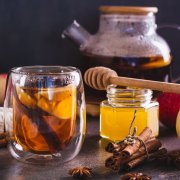
Brew a cup of chamomile tea about 30 minutes before bedtime. Experiment with tea bags or loose flowers, steeped for 5–10 minutes. For a more potent brew, consider adding honey and a pinch of cinnamon. Look for high-quality, organic chamomile to ensure effectiveness.
2. Valerian Root: The Natural Sleep Enhancer
Valerian root has been used for centuries to promote sleep and ease anxiety. This herb works by increasing the levels of gamma-aminobutyric acid (GABA) in your brain, which reduces activity in the nervous system and helps you unwind.
Benefits of this herb for Menopausal Insomnia:
-
Improves sleep quality and supports deeper, restorative sleep cycles.
-
Reduces night awakenings caused by stress or hormonal imbalances.
-
Alleviates mild anxiety that may contribute to sleepless nights.
How to Use Valerian Root:
Valerian root can be taken in capsule, tincture, or tea form. If trying tea, steep about 2 grams of dried valerian root in hot water for 10–15 minutes. Note that valerian can have a potent aroma, but its benefits are worth it! Start with a lower dose to gauge tolerance, and use it consistently for several nights for the best results.
3. Lavender: A Calming Balm for Restless Nights
Lavender isn’t just a fragrant herb prized for its soothing scent; it’s also a powerful ally in promoting relaxation and better sleep. Lavender’s compounds, such as linalool and linalyl acetate, are known to calm the nervous system and reduce feelings of tension.
Benefits of this herb for Menopausal Insomnia:
-
Creates a calming environment, putting your body in the mood for sleep.
-
Reduces mild depression and anxiety symptoms that may arise during menopause.
-
Enhances sleep when inhaled, taken as a tea, or even used externally.
How to Use Lavender:
Enjoy lavender as an essential oil by adding a few drops to your pillow or using it in a diffuser before bedtime. You can also sip lavender tea or add dried lavender flowers to a relaxing bath with Epsom salts. A simple ritual incorporating lavender can help you wind down with tranquility.
4. Passionflower: A Tried-and-True Sleep Aid
Passionflower is another herbal remedy praised for its calming and sleep-inducing effects. Like valerian, passionflower works by boosting GABA levels in your brain to reduce overactive thoughts and help you drift off peacefully.
Benefits of this herb for Menopausal Insomnia:
-
Helps quiet the mind, especially if racing thoughts are keeping you awake.
-
Alleviates mild forms of anxiety and stress linked to menopause.
-
Supports deep, restorative sleep without causing grogginess the next day.
How to Use Passionflower:
Passionflower is commonly available as a tea, tincture, or in supplements. Brew a tea using 1–2 teaspoons of dried passionflower in boiling water, steeped for 5–10 minutes. Incorporate it into your nighttime routine to make bedtime feel more restorative and peaceful.
5. Lemon Balm: The Stress-Reducing Superstar
Lemon balm, a member of the mint family, is renowned for its ability to ease stress and promote relaxation. It has mild sedative properties that can help your body transition into a state of calm, making it easier to fall asleep.
Benefits of this herb for Menopausal Insomnia:
-
Reduces cortisol levels, helping to combat stress-induced sleeplessness.
-
Promotes a balanced mood and eases irritability, common during menopause.
-
Gently soothes the digestive system, which can improve overall comfort.
How to Use Lemon Balm:
Sip lemon balm tea in the evening, or look for liquid extracts and capsules that can be taken before bed. For an added touch, mix lemon balm with chamomile or lavender to create a custom nightly brew that supports sleep from multiple angles.
Small Changes. Big Difference.
Finding sleep relief during menopause can feel like an uphill battle, but the right natural remedies can make all the difference. Chamomile, valerian root, lavender, passionflower, and lemon balm each bring unique benefits to help address the specific challenges of menopausal insomnia.
While these herbs for menopausal insomnia are generally safe for most people, it’s always a good idea to consult your healthcare provider before starting any new supplements, especially if you’re taking medications or have preexisting conditions.
At the end of the day, restful sleep is vital for physical and emotional well-being. Start incorporating these herbs into your nightly routine, and take one step closer to peaceful nights and energized days.
Your health, your peace, and your sleep matter. You deserve to wake up feeling refreshed.
If you’re curious about how Lokahi Acupuncture can help you unlock deeper rest, book a consultation with one of our acupuncturists. Your good night’s sleep may be just an appointment away!
Lokahi Acupuncture
Free Consultation
408.279.9001
Follow us on Instagram
Make an Appointment