How Traditional Chinese Medicine Can Help Detox Your Liver
At Lokahi we think of “detox” a little differently: in TCM, supporting the liver means restoring flow, nourishing blood and yin, reducing dampness/inflammation, and calming the nervous system so your whole body — hormones, digestion, cycles — can function better. This blog explains how Traditional Chinese Medicine can help detox your liver, what herbs and foods we commonly recommend, simple at-home practices (like castor oil packs and abdominal massage), and the safety points you need to know. Everything here reflects how our team actually works with patients: gentle, tailored, and coordinated with medical care.
Quick snapshot — what Lokahi is trying to accomplish
- Unblock Liver Qi so emotions and digestion settle.
- Nourish Liver Blood & Liver Yin to support hormones, cycles and fertility.
- Reduce inflammation/dampness and improve pelvic/abdominal circulation.
- Support relaxation via abdominal therapies and topical packs so your body rests and heals.
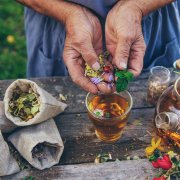
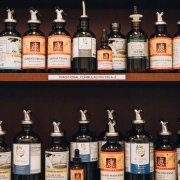
Herbs we commonly use
Important: herbs are prescribed individually. Don’t take formula names or single herbs without consulting a licensed practitioner — especially if you’re pregnant, breastfeeding, or on medication.
- Xiao Yao (Xiao Yao San) — our go-to for emotional tension and liver qi stagnation; it soothes the liver and helps you feel less irritable and bloated. Lokahi clinicians mention Xiao Yao frequently for these patterns.
- Bupleurum-based formulas (e.g., Chai Hu Shu Gan Tang) — used to move stuck liver qi in more pronounced cases. These are powerful and are often contraindicated in pregnancy, so we only use them with careful oversight.
- Gou Qi Zi (goji / Lycium fruit) — commonly used as a food-herb to gently nourish blood and yin and support overall vitality. We include this as a gentle tonic in many plans.
- Dang Gui (Angelica sinensis) — a classic blood tonic that clinicians at Lokahi reference for cycle support; it’s helpful sometimes after birth or when blood is low, but should be used cautiously during breastfeeding.
- Fu Ling — used in formulas to reduce dampness/inflammation and support healthy circulation. Practitioners reference it for inflammation and pelvic circulation.
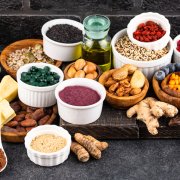
Food & Tea:
We treat food as medicine. Start here — it’s low-risk and powerful.
- Cruciferous veggies (broccoli, bok choy, Brussels sprouts) — support hormonal detox pathways and show up in our fertility nutrition guidance.
- Beets — boost circulation and liver support; we include them in clinic meal plans and sometimes suggest beet juice in cycle prep.
- Dark leafy greens & asparagus, artichokes — nutrient-dense, liver-friendly choices we recommend regularly.
- Small amounts of liver (sparingly) — a nutrient-dense source of iron and B vitamins that appears in Lokahi postpartum/fertility nutrition lists (only if it suits your diet and with clinician guidance).
- Goji berries (Gou Qi Zi) — easy to add to porridge, salads, or tea for gentle blood nourishment.
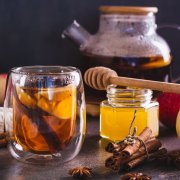
Detox teas & supplements: We sometimes use carefully formulated detox teas or targeted supplements (e.g., supervised glutathione supports). Our linicians at Lokahi discuss these internally and counsel patients about possible “detox reactions” (temporary flu-like feelings) and dosing. Use only with practitioner supervision.
At-home & in-clinic practices we use
1. Castor oil packs
- What: A warm pack applied over the lower abdomen using castor oil + heat.
- Why it helps: Promotes local circulation, lymphatic flow and a parasympathetic (rest) response. At Lokahi we pair packs with fertility massage and provide take-home instructions when appropriate.
2. Mayan/abdominal fertility massage
- What: Gentle, uterus-centered abdominal work that encourages organ mobility and circulation.
- Why: Patients report reduced tension and a sense of “detox” and better pelvic flow. This is a core part of our 90-minute Signature Fertility Massage and is typically combined with castor oil packs and warm stones.
3. Moxa / warming techniques
- What: Gentle warming (moxa or moxa oil packs) to dispel cold and support qi flow.
- Why: Used selectively to reassure circulation and relaxation; Lokahi applies moxa oil packs in certain protocols to help absorption and parasympathetic activation.
4. Herbal formulas (phased approach)
- Phase 1 — Move: If you have signs of liver qi stagnation (irritability, bloating, irregular cycle), we may use soothing/moving herbs first (e.g., Xiao Yao).
- Phase 2 — Nourish: Once flow improves, we switch to blood/yin tonics (goji, dang gui) to rebuild and stabilize.
- Phase 3 — Support & clear dampness: Use herbs like Fu Ling for inflammation/dampness when needed.
How to start safely — Lokahi’s recommended first steps
- Book a brief consult with our TCM herbalist or fertility clinician. We tailor herbs, timing and doses to your cycle, pregnancy plans and medications. Lokahi clinicians always check for pregnancy and breastfeeding contraindications.
- Adopt three food swaps this week: add crucifers and beets; use goji berries as a snack; include leafy greens daily. Start small and build.
- Try one in-clinic fertility massage session (Mayan abdominal massage + castor oil pack) to experience the parasympathetic and circulation effects; ask about a take-home pack if it’s appropriate. Our signature session includes these elements.
- If you consider supplements or strong herbal moves (e.g., glutathione) do so under supervision — clinicians at Lokahi monitor and counsel on detox reactions and dosing.
Safety & red flags (read this first)
- Pregnancy & breastfeeding: many moving formulas and some herbs are contraindicated. Lokahi clinicians explicitly note that some liver-moving herbs (e.g., Chai Hu Shu Gan Tang) should not be used in pregnancy. Always check with your practitioner and obstetrician.
- Herb–drug interactions: herbs can interact with meds (including blood thinners and fertility drugs). Tell your herbalist everything you’re taking.
- Detox reactions: when starting stronger protocols or supplements you may feel tired or flu-like for a short time — this can be a sign the body is adjusting. If it’s severe, stop and call your clinician. Lokahi clinicians counsel patients about these reactions.
TCM liver support at Lokahi is not about extreme cleanses.
It’s about a measured, personalized plan that moves stuck qi, builds blood and yin, and reduces inflammation — using food, herbs, massage, packs and gentle warmth — all coordinated with your fertility or medical care.
Our patients find this approach grounding, fertility-supportive, and practical. To get started, book a short consultation with someone on our team — we’ll design a plan that fits your cycle, your goals, and your medical care.
Lokahi Acupuncture
Free Consultation
408.279.9001
Follow us on Instagram
Make an Appointment