Menopause marks the end of menstrual cycles and often brings symptoms like hot flashes and mood swings. This article will guide you through effective strategies to manage these and other menopause symptoms, making this transition easier.
Key Takeaways
- Menopause is characterized by hormonal changes that cause various symptoms, with effective management options including Hormone Replacement Therapy (HRT) and alternative treatments like acupuncture.
- Lifestyle modifications, such as dietary changes, regular exercise, and relaxation techniques, can help alleviate menopause symptoms and improve quality of life.
- Understanding and addressing emotional well-being, through social support and engaging activities, are crucial for managing mood changes during menopause.
- Acupuncture supports menopause through regulating the body’s nervous system and stress responses helping it to enter a state of rest and repair.

Understanding Menopause
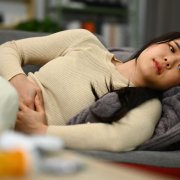
The cessation of menstrual cycles during menopause is a prominent milestone in the lives of women, marked by the emergence of several symptoms. The lead-up to menopause, known as perimenopause, can commence up to 8-10 years prior and brings with it a suite of effects that may greatly influence their day-to-day activities.
Frequent symptoms encountered during this stage include:
- hot flashes
- night sweats
- irregular periods
- mood fluctuations
- sleep disturbances
These phenomena arise due to erratic changes and an ultimate decline in estrogen levels within the body. Notably, even after transition into postmenopause where low estrogen levels become stable, many still experience hot flashes. Consequently, long-term management strategies are often necessary for coping with these ongoing issues.
In terms of Traditional Chinese Medicine (TCM), menopause is conceptualized as a period characterized by diminishing yin energy which accounts for heat-related manifestations such as hot flashes and night sweats among others. To effectively address these problems, it requires first recognizing the intricate dynamics at play during menopause.
Acknowledging that hormonal shifts underpinning menopause are complex enables greater acknowledgment of diverse approaches for symptom alleviation available today. Ranging from hormone replacement therapy to traditional practices embedded in alternative medicine disciplines—providing numerous avenues one might consider while navigating towards tranquility throughout natural menopausal progression.
Hormone Replacement Therapy (HRT) for Menopause Symptoms
Hormone replacement therapy (HRT) serves as a widely used and effective option for mitigating menopause symptoms. By supplementing the reduced estrogen levels typical during this stage, HRT effectively lessens occurrences of hot flashes, night sweats, and vaginal dryness, thereby enhancing many menopausal women’s quality of life.
Two main types of hormone replacement therapy exist: one comprising solely estrogen and another that combines both estrogen and progesterone. Women who have undergone a hysterectomy are usually advised to use the former while combination therapy is recommended for those who still possess a uterus in order to diminish potential risks such as uterine cancer linked to using only estrogen.
Administered initially at low doses, various forms—such as pills, patches or gels—are available when it comes to taking estrogen therapies. Each mode is selected according to personal preference along with particular health factors. These include systemic hormone treatments absorbed into circulation tackling general symptoms across the body versus local applications aimed specifically at conditions like vaginal dryness and pain.
Nonetheless, despite its capacity for significant relief against menopause symptoms through tailored treatment plans involving careful consideration between patients and their healthcare providers due not least because there exists an elevated chance of breast cancer among other concerns leading from its use making informed discussions around options paramount before proceeding with HRT ensuring any chosen course offers more benefits compared outweighing identified dangers allowing measured approach symptom alleviation overall.
Acupuncture Treatment for Menopause Symptoms
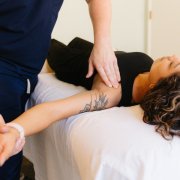
For those exploring alternative medicine options for managing menopause symptoms, acupuncture emerges as a promising solution. Studies have shown that it may decrease the occurrence of vasomotor symptoms such as hot flashes and night sweats by up to 36.7% over six months. As an alternative to hormone replacement therapy, this non-invasive method is particularly beneficial for women seeking relief through acupuncture treatment.
A study from Denmark has revealed notable decreases in occurrences of both hot flushes and night sweats, along with improvements in emotional problems associated with these symptoms when using acupuncture treatments. Women undergoing these treatments experienced not only fewer vasomotor episodes, but also reduced anxiety, somatic complaints, and memory issues – demonstrating how this holistic approach addresses the multifaceted nature of menopausal transition.
The effectiveness of acupuncture derives from its capacity to enhance blood flow dilation and stimulate endorphin release, which regulates functions within the hypothalamus, thereby easing hot flashes among other things. To treat hot flashes effectively, it can ameliorate various perimenopausal manifestations including insomnia, changes in skin condition, and reduced sexual desire.
Research involving 70 female participants suggested an average requirement of eight sessions for optimal alleviation of their conditions’ severity. Thus indicating that continual treatment produces considerable gains over time. Such benefits point towards acupuncture as a viable natural intervention free from pharmacological substances that appeals substantially to numerous menopausal women looking for solace amidst challenging transitional symptoms.
Traditional Chinese Medicine (TCM) Approach for Easing Menopause Symptoms
Traditional Chinese Medicine (TCM) employs a comprehensive approach when tackling menopause, emphasizing the equilibrium of internal energies. TCM postulates that a diminishing kidney energy during this stage is linked to compromised health since it’s associated with Jing or the vital essence integral for women’s wellbeing throughout menopause.
In addressing these concerns, Liu Wei Di Huang Wan stands out in TCM as an effective herbal blend aimed at nourishing Kidney Yin and mitigating various signs of menopause. Dang Gui is another esteemed herb used due to its reputed capacity to bolster estrogen levels. These botanicals are frequently combined into potent mixes intended to concurrently combat numerous symptoms.
Dietary modifications play a pivotal role alongside herbal remedies within the traditional Chinese medical system. To promote renal function and maintain overall vitality amid menopausal changes, integrating foods that induce warmth into one’s diet is advised by practitioners of TCM. By taking such actions collectively, they not only pinpoint individual complaints, but also strive towards reestablishing systemic concordance and well-being.

Lifestyle Changes to Manage Menopause Symptoms
Adopting specific lifestyle adjustments can be quite effective in controlling symptoms associated with menopause. The selection of food plays a pivotal role, with the avoidance of spicy cuisine, caffeine, and alcoholic beverages contributing to a decrease in hot flashes. It is also beneficial for one’s health to sustain an optimal weight as this has been shown to have a positive effect on both the frequency and severity of hot flashes.
Acupuncture serves as an advantageous option within complementary and alternative medicine therapies by helping regulate metabolism throughout menopause, which may aid in maintaining appropriate body weight. This technique activates energy channels within the body that can help address fatigue and diminished energy levels commonly encountered during menopause. When paired with conventional treatments, these modifications offer an inclusive method for managing symptoms.
Integrating consistent exercise into daily life offers additional relief from discomfort caused by menopausal changes. Physical activity promotes enhanced overall health, lowers stress levels, and boosts mood stability. Adopting relaxation practices such as yoga or meditation contributes positively toward mitigating stress-induced tension while enhancing sleep quality.
Through making informed lifestyle alterations alongside considering diverse therapeutic avenues including alternative medicine approaches post-menopausal women can more effectively contend with their menopausal manifestations hence elevating their standard of living significantly during this transition filled process managed adroitly cultivate fortitude gracefulness.
Improving Sleep Quality During Menopause
Experiencing sleep disruptions is quite prevalent among women undergoing menopause, frequently aggravated by occurrences of hot flashes and night sweats. Adhering to a regular sleeping pattern can notably improve the quality of one’s sleep. Such consistency aids in tuning the body’s internal clock for better regulation.
Instituting a tranquil bedtime routine can help with dozing off more effortlessly. Engaging in activities like reading or listening to mellow music serves as cues for the body to start relaxing. It’s important to curtail exposure to screens before going to bed since their blue light hampers melatonin production, which is critical for managing our sleep cycles.
To foster improved slumber, it’s beneficial to keep your bedroom at an agreeable temperature and quiet down any noise pollution—such conditions are ideal for achieving deep sleep. Steering clear of heavy meals or caffeine intake during evening hours supports enhanced rest quality, just like incorporating consistent physical activity into your routine. This should not be scheduled too close to bedtime.
Empirical studies suggest that acupuncture may ameliorate sleep quality through its capacity to elevate levels of gamma-aminobutyric acid—a neurotransmitter instrumental in facilitating sound sleep—and such practices could indeed bolster overall health status among individuals coping with menopausal symptoms.
Addressing Mood Changes
Alterations in mood are frequently encountered and can be quite challenging during the menopausal transition. The hormonal shifts that occur throughout this time may provoke emotional disruptions, such as fluctuations in mood and a rise in anxiety levels. Issues relating to mental health, including anxiety and depression, often emerge postmenopause as a result of these varying hormone levels.
Possessing a supportive circle of friends and family can enhance the overall experience of going through menopause, contributing to reduced instances of depression among women. Immersing oneself in enjoyable activities and maintaining social connections acts as protective factors against depressive symptoms within the phase surrounding menopause. Participation in formal groups also presents chances for establishing new friendships which aid in mitigating feelings of loneliness associated with this transitional period.
Incorporating consistent physical exercise along with methods focused on relaxation can prove beneficial for controlling both mood swings and anxiety tied to the hormonal adjustments observed during menopause. Discovering ways to remain engaged socially while sustaining an active lifestyle equips women with better tools for dealing with the emotional hurdles characteristic of this significant life stage.
Summary
Managing the complexities of menopause can be a less daunting task by thoroughly grasping its varied aspects and considering diverse methods including hormone replacement therapy, Traditional Chinese Medicine (TCM), acupuncture, and modifications in lifestyle. Women are empowered to mitigate their symptoms effectively through these tactics, thereby restoring equilibrium and ease during this transitional phase of life. The crucial step is identifying the most suitable approach for oneself and not hesitating to reach out for assistance when necessary.
Frequently Asked Questions
What are the most common menopause symptoms?
The most common menopause symptoms are hot flashes, night sweats, mood swings, sleep issues, and vaginal dryness.
It’s important to recognize these signs as part of the transition.
What is Hormone Replacement Therapy (HRT)?
Hormone Replacement Therapy (HRT) is designed to replace lost estrogen during menopause, helping to ease symptoms like hot flashes and mood swings.
It’s a key option for many seeking relief during this transition.
How does acupuncture help with menopause symptoms?
Acupuncture can be a great way to ease menopause symptoms, as it helps reduce hot flashes by promoting blood flow and releasing endorphins.
So if you’re feeling the heat, it might be worth a try!
What dietary changes can help manage menopause symptoms?
To manage menopause symptoms, try avoiding hot and spicy foods, caffeine, and alcohol while keeping a healthy weight.
These changes can significantly help reduce hot flashes.
How can I improve my sleep quality during menopause?
To improve your sleep quality during menopause, stick to a consistent sleep schedule, establish a calming bedtime routine, and ensure your bedroom is at a comfortable temperature.
Making these adjustments can greatly help you get the restful sleep you deserve.
Our practitioners provide personalized treatment plans to help you navigate this phase with ease. Contact us today to schedule a consultation or learn more about our services.
Lokahi Acupuncture
408.279.9001
Follow us on Instagram
Make an Appointment